Introduction to No-Pull Dog Harnesses
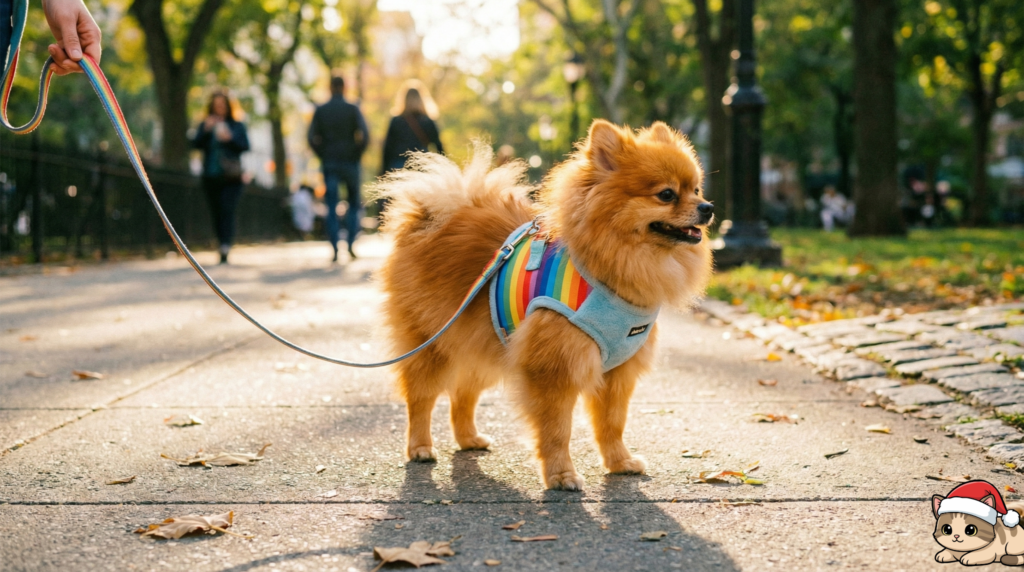
Walking a small dog shouldn’t feel like flying a stubborn kite, right? Yet many small dog owners struggle daily with pulling, lunging, and zigzag walking. That’s exactly where the best no-pull dog harness for small dogs steps in like a calm, confident guide.
Why Small Dogs Need Special Harnesses
Small dogs aren’t just tiny versions of big dogs. Their bones are more delicate, their necks are fragile, and even mild pulling can cause discomfort or injury. A standard collar can put pressure on the trachea, especially for breeds like Chihuahuas, Yorkies, and Pomeranians.
What “No-Pull” Really Means
“No-pull” doesn’t mean your dog magically stops pulling forever. Think of it like power steering for your walks. It gently redirects your dog’s movement, discouraging pulling while keeping things comfortable and safe.
How a No-Pull Harness Works
Front-Clip vs Back-Clip Harnesses
Front-clip harnesses attach the leash at the chest. When your dog pulls, the harness naturally turns them sideways, breaking the pulling motion. Back-clip harnesses are better for calm walkers but don’t discourage pulling as effectively.
Pressure Distribution and Control
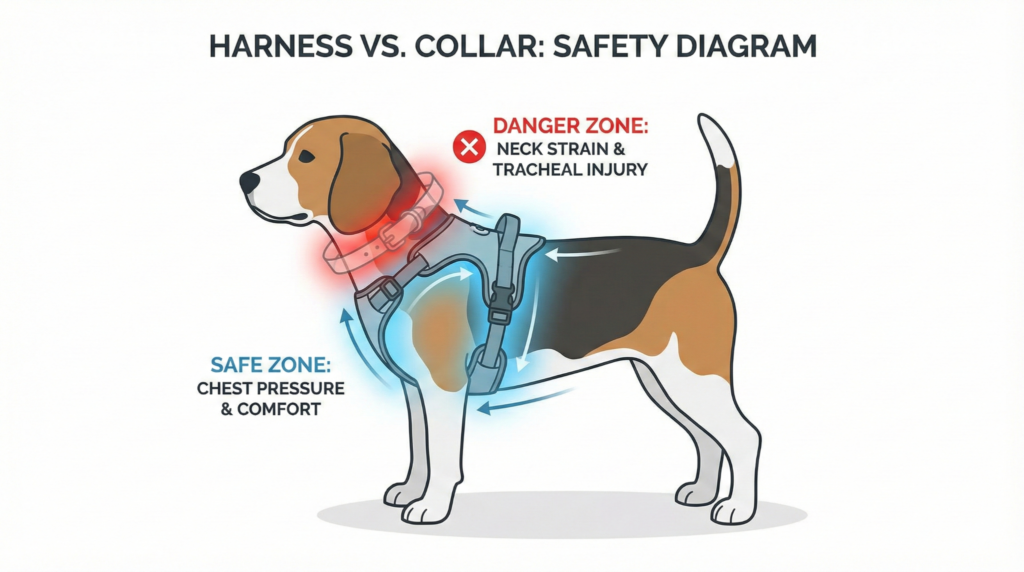
Unlike collars that focus pressure on the neck, harnesses distribute force across the chest and shoulders. This makes control smoother and reduces strain.
Why Collars Can Be Harmful for Small Dogs
Imagine being yanked by your throat every few steps. Not pleasant. That’s what collars can feel like for small dogs, especially enthusiastic pullers.
Key Features to Look for in the Best No-Pull Dog Harness for Small Dogs
Proper Fit and Adjustability
A good harness should fit snugly but not tightly. Adjustable straps are a must because small dogs vary wildly in shape, even at the same weight.
Lightweight and Breathable Materials
Small dogs tire easily. Heavy or thick harnesses can feel like winter coats in summer. Look for breathable mesh or soft nylon.
Padding and Comfort
Soft padding around the chest and armpits prevents rubbing and hot spots. Comfort isn’t a luxury—it’s essential.
Durability and Build Quality
Your dog may be small, but their energy isn’t. Strong stitching, quality buckles, and durable clips matter.
Benefits of Using a No-Pull Harness for Small Dogs
Better Walking Experience
Walks become calmer, shorter, and more enjoyable. Less pulling means more bonding.
Improved Training Results
No-pull harnesses work hand-in-hand with leash training. They guide behavior instead of forcing it.
Enhanced Safety and Comfort
Less strain on the neck, more control near traffic, and reduced risk of escape.
Top Types of No-Pull Harnesses for Small Dogs
Front-Clip No-Pull Harness
Best for training and pullers. It gently teaches leash manners.
Dual-Clip Harness
Offers flexibility. Use the front clip for training and the back clip for relaxed walks.
Step-In Harness
Perfect for dogs that hate things going over their head.
Vest-Style Harness for Extra Comfort
Great for tiny breeds. They distribute pressure evenly and feel like a cozy hug.
How to Measure Your Small Dog for the Perfect Harness Fit
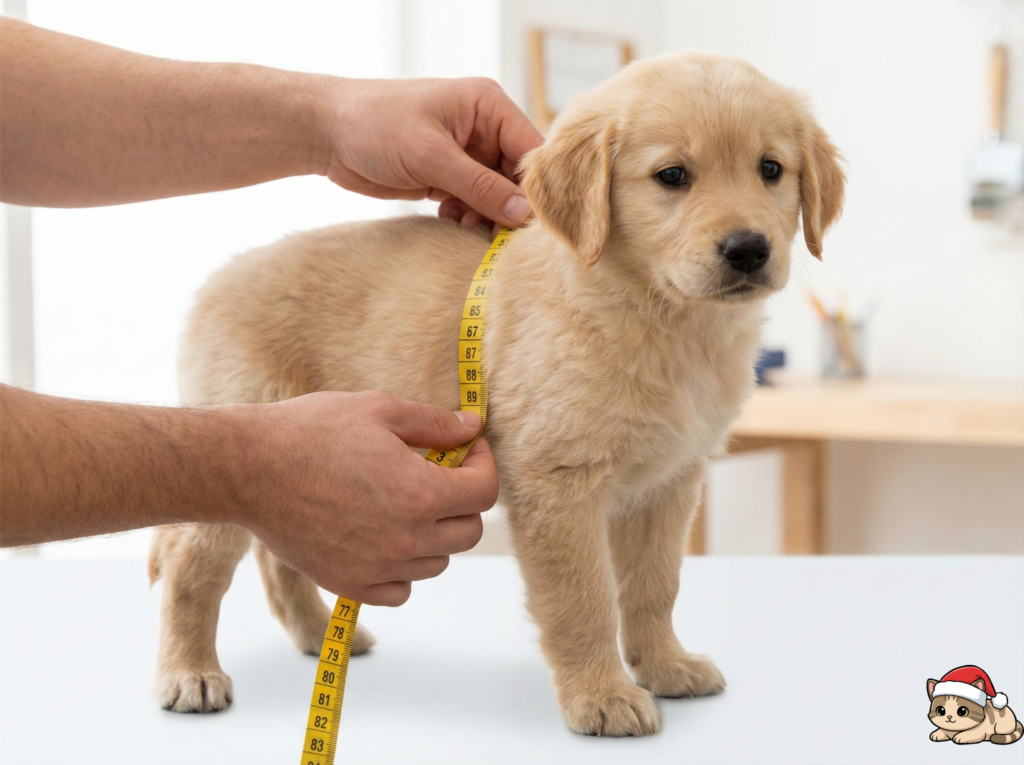
Chest and Neck Measurements
Measure the widest part of the chest and the base of the neck. Always follow the brand’s sizing chart.
Common Sizing Mistakes to Avoid
Don’t guess based on weight alone. Two dogs can weigh the same and fit completely differently.
Training Tips When Using a No-Pull Dog Harness
Introducing the Harness Gradually
Let your dog sniff it. Put it on for short indoor sessions before heading outside.
Positive Reinforcement Techniques
Treats, praise, and patience go a long way. Reward calm walking.
Consistency Is the Secret Sauce
Use the harness every walk. Switching back and forth confuses your dog.
Common Mistakes Dog Owners Make with No-Pull Harnesses
Choosing the Wrong Size
Too loose leads to escape. Too tight causes discomfort.
Expecting Instant Results
Training takes time. Think progress, not perfection.
Incorrect Leash Attachment
Front clip for training, back clip for casual strolls. Mixing them up reduces effectiveness.
Are No-Pull Harnesses Safe for Puppies and Senior Dogs?
Age-Specific Considerations
Yes, when properly fitted. Puppies benefit from early training, and seniors enjoy reduced strain.
Veterinary Recommendations
Many vets recommend harnesses over collars for small breeds due to neck sensitivity.
No-Pull Harness vs Traditional Collar
Control Comparison
Harnesses offer better control without pain. Collars rely on pressure.
Health and Safety Differences
Harnesses win hands down for long-term health.
How Long Does It Take to See Results with a No-Pull Harness?
Some dogs improve immediately. Others take a few weeks. Consistent training speeds things up.
Maintenance and Care Tips for Dog Harnesses
Cleaning and Washing
Hand wash or gentle machine wash. Air dry to maintain shape.
Storage and Longevity
Store flat and check straps regularly for wear.
Choosing the Best No-Pull Dog Harness for Your Lifestyle
City Walkers vs Outdoor Adventurers
Urban dogs benefit from front-clip control. Trail walkers may prefer padded, durable designs.
Calm Walks vs Training Walks
Dual-clip harnesses offer flexibility for both.
Final Buying Checklist
- Proper size and adjustability
- Front or dual-clip design
- Soft, breathable material
- Secure buckles and stitching
- Comfortable padding
Conclusion
Finding the best no-pull dog harness for small dogs can transform your daily walks from stressful tug-of-war matches into calm, enjoyable moments. The right harness protects your dog’s delicate body, improves leash manners, and strengthens your bond. Choose wisely, stay consistent, and enjoy the walk—literally.
FAQs
1. Can a no-pull harness stop my small dog from pulling completely?
It reduces pulling significantly, especially when combined with training.
2. Is a front-clip harness better for small dogs?
Yes, it offers better control and discourages pulling gently.
3. Can my dog wear a no-pull harness all day?
It’s best used during walks only to prevent discomfort.
4. Are no-pull harnesses escape-proof?
Proper fit greatly reduces escape risk, but no harness is 100% escape-proof.
5. Do vets recommend harnesses for small dogs?
Yes, many vets prefer harnesses over collars for small breeds.