
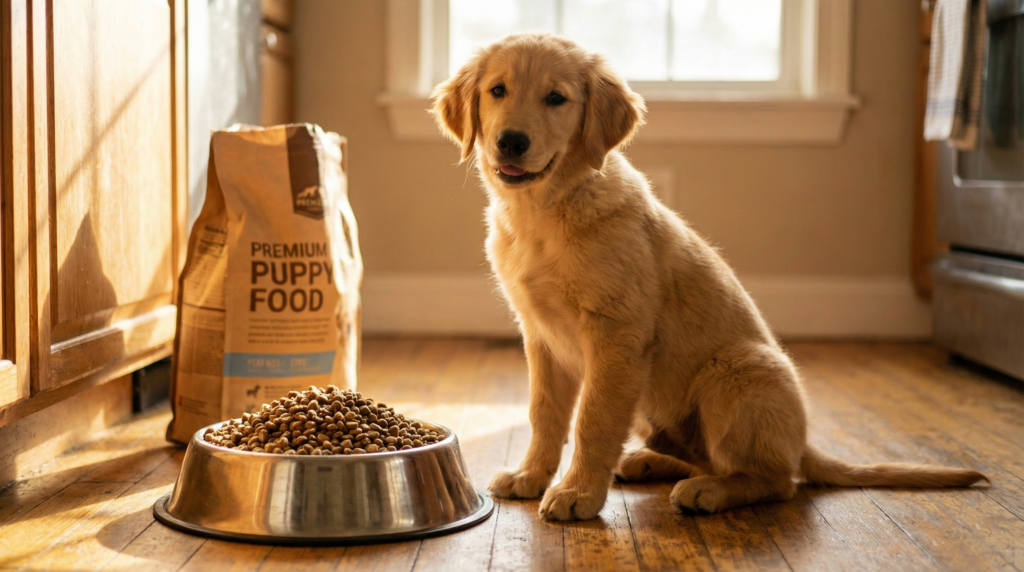
Introduction: Worried About Your Skinny Golden Retriever Puppy?
Are you looking for the best dog food for golden retriever puppy to gain weight? You have come to the right place If you’re here, chances are you’ve been staring at your Golden Retriever puppy and thinking, “Why does he look so thin?” You’re not alone. As a veterinarian, I meet worried pet parents every week who fear their puppy isn’t growing the way they should.
Golden Retriever puppies grow fast—almost like weeds after rain. Healthy weight gain is not just about looks. It’s essential for strong joints, proper muscle development, and long-term mobility. An underweight puppy may lack the energy to play, learn, and thrive.
The good news? With the best dog food for Golden Retriever puppy to gain weight, plus a smart feeding routine, most skinny puppies catch up beautifully.
Let’s walk through this together—calmly, clearly, and with your puppy’s health as the top priority.
Why Is My Golden Retriever Puppy Underweight?
Before switching foods or adding calories, it’s important to understand why your puppy is thin. Weight loss or slow gain usually comes down to one (or more) of these reasons.
Picky Eating Habits
Some puppies are just… fussy. New environments, stress, or boredom with food can reduce appetite. If your puppy walks away from meals or eats inconsistently, calorie intake drops fast.
Parasites and Digestive Issues
Intestinal worms, giardia, or poor gut health can steal nutrients before your puppy’s body can use them. A vet check and fecal exam should always come first when weight gain is a concern.
Low-Quality or Inadequate Food
Not all puppy foods are created equal. Some lack enough protein or calories for large-breed puppies like Golden Retrievers. Feeding an adult formula or a low-energy diet can slow growth significantly.
👉 Important: Always rule out medical issues with your vet before focusing solely on food.
Nutritional Needs of Golden Retriever Puppies for Healthy Weight Gain
Golden Retriever puppies are large-breed dogs, which means their nutritional needs are very specific. The goal is steady, controlled weight gain, not rapid fat accumulation.
High-Quality Protein
Protein builds muscle, not fat. Look for real meat as the first ingredient (chicken, lamb, salmon). Ideally, protein should be around 26–30% for puppies.
Healthy Fats (Not Too Much!)
Fats provide energy and help with weight gain, but excess fat can stress developing joints. Aim for 12–18% fat, sourced from chicken fat, fish oil, or flaxseed.
Calorie Density and Digestibility
A calorie-dense food means your puppy gets more energy per bite. Highly digestible ingredients ensure nutrients are absorbed—not wasted.
How to Choose the Best Dog Food for Golden Retriever Puppy to Gain Weight
When shopping, keep these points in mind:
- Large-breed puppy formula (controls calcium for joint safety)
- High protein + moderate fat
- AAFCO-approved for growth
- Added DHA for brain development
- No unnecessary fillers
Think of puppy food like fuel. Premium fuel keeps the engine running smoothly.
5 Best Dog Food for Golden Retriever Puppy to Gain Weight (Reviews)
This is the core section you’ve been waiting for. Below are vet-recommended options that support safe, healthy weight gain.
Royal Canin Golden Retriever Puppy
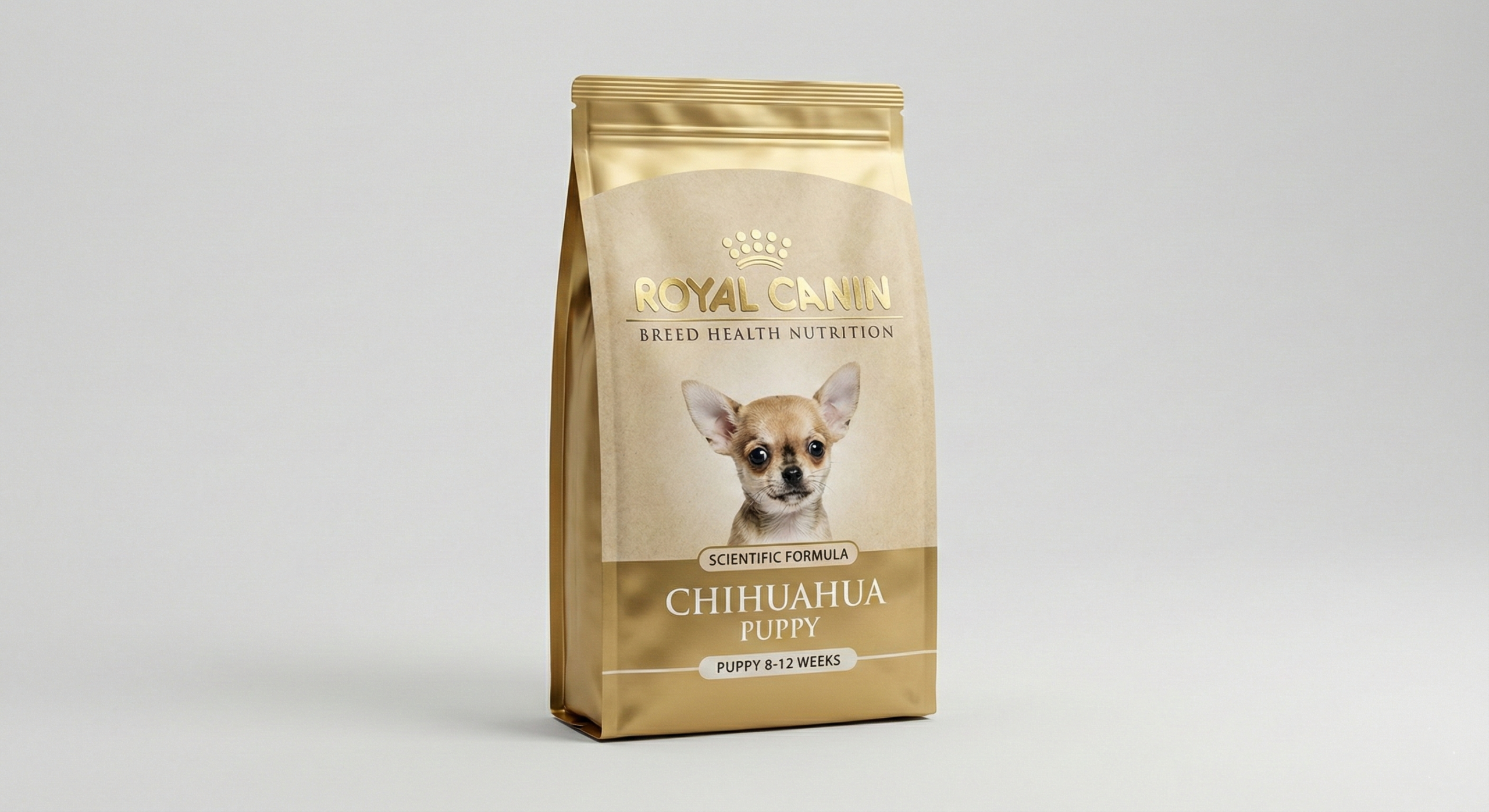
Designed specifically for the Golden Retriever breed.
Pros
- Breed-specific nutrition
- High digestibility
- Supports bone and joint health
- Custom kibble shape improves appetite
Cons
- Premium price
- Contains grains (not ideal for grain-sensitive pups)
Purina Pro Plan Puppy Large Breed
A favorite among veterinarians.
Pros
- High-quality animal protein
- Calorie-dense for weight gain
- DHA from fish oil
- Excellent palatability
Cons
- Not breed-specific
- Some puppies dislike chicken flavor
Hill’s Science Diet Puppy Large Breed
Clinically researched and gentle on the stomach.
Pros
- Balanced nutrition for steady growth
- Supports joint development
- Easy to digest
Cons
- Moderate calorie density
- Limited protein sources
Blue Buffalo Life Protection Puppy
A popular natural option.
Pros
- Real meat as first ingredient
- Healthy fats for energy
- No artificial preservatives
Cons
- Some puppies experience loose stools
- Slightly lower calories than competitors
Wellness Complete Health Puppy
Ideal for sensitive stomachs.
Pros
- High-quality ingredients
- Balanced protein and fat
- Supports immune health
Cons
- Higher cost
- Smaller kibble may encourage fast eating
Safe Homemade Add-Ons to Help Your Puppy Gain Weight
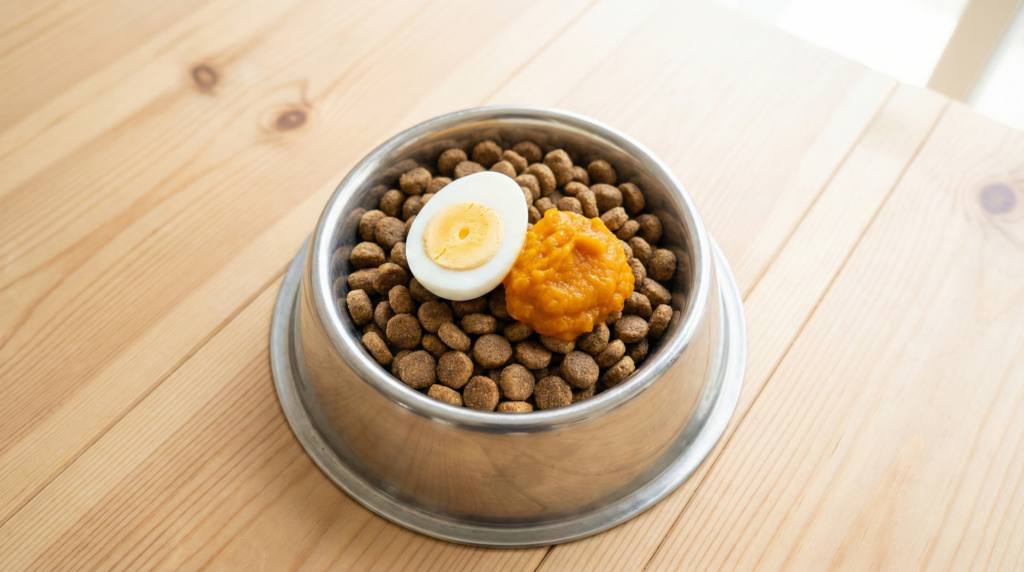
If your puppy needs a calorie boost, small additions can help.
Safe options include:
- Boiled eggs (protein powerhouse)
- Plain cooked chicken (no salt or spices)
- Pumpkin puree (great for digestion)
- Plain yogurt (probiotics, lactose-free)
👉 Add these in moderation—think of them as toppings, not replacements.
Feeding Guide: How Often and How Much Should You Feed?
Golden Retriever puppies do best with 3–4 meals per day.
General tips:
- Feed smaller meals more frequently
- Measure portions accurately
- Avoid free-feeding
- Use a slow feeder to reduce bloat risk
Consistency is key. Puppies thrive on routine.
Common Feeding Mistakes to Avoid
- Overfeeding to “fatten up” quickly
- Feeding adult dog food
- Too many treats
- Ignoring body condition score
- Sudden food changes
Healthy growth is a marathon, not a sprint.
When to See a Veterinarian
If your puppy:
- Isn’t gaining weight after 2–3 weeks
- Has diarrhea or vomiting
- Seems lethargic
- Has a bloated belly but thin body
…it’s time for a professional evaluation.
Conclusion
Watching a skinny Golden Retriever puppy can tug at your heart. But with the best dog food for Golden Retriever puppy to gain weight, proper feeding habits, and veterinary guidance, most puppies catch up quickly and safely.
Remember, the goal isn’t just weight—it’s strong bones, healthy joints, and a happy, energetic companion. You’re doing the right thing by caring and taking action.
Your puppy’s future self will thank you—with a wagging tail and endless love.
FAQs
1. How fast should my Golden Retriever puppy gain weight?
Slow and steady. Rapid weight gain can harm joints.
2. Can I feed adult dog food to help weight gain?
No. Adult food lacks nutrients needed for growth.
3. Is wet food better for weight gain?
It can help appetite, but dry puppy food is more calorie-dense.
4. How many times should I feed my puppy daily?
Three to four meals per day works best.
5. When will my puppy fill out naturally?
Most Golden Retrievers fill out between 12–18 months.